D&G AIR CONDITIONING SPECIALISTS
COMMERCIAL - DOMESTIC - MAINTENANCE
INSTALLATION THAT'S CLEAN DISCRETE AND PROFESSIONAL
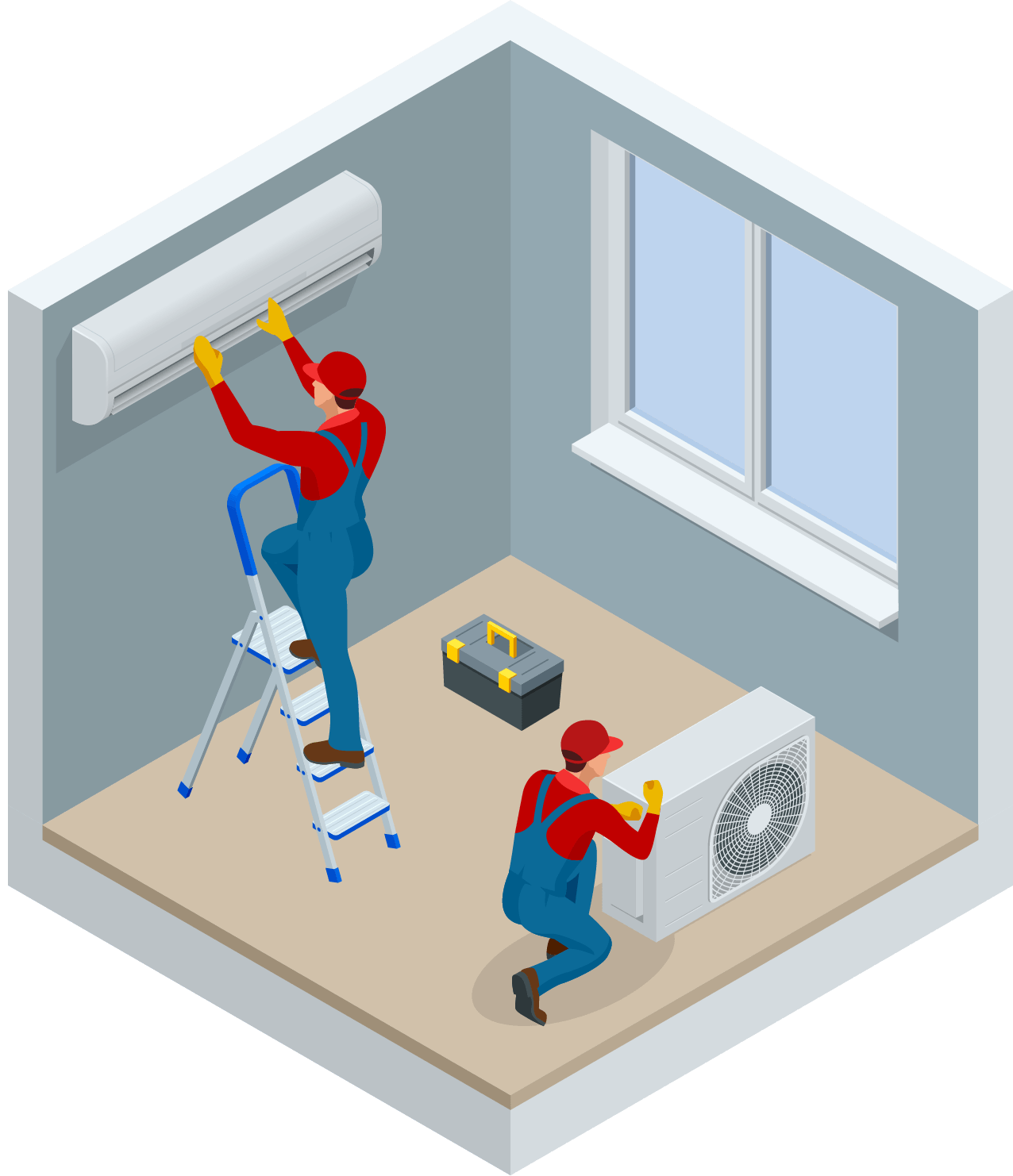
Founded in 2015, D&G Air Conditioning Services is a trusted small business specialising in both Commercial and Domestic installation and maintenance of quality air conditioning systems.

EXPERIENCE AND EXPERTISE IN THE TRADE

LARGE OR SMALL PROJECTS UNDERTAKEN

FREE NO OBLIGATION QUOTE FOR INSTALLATIONS

SUPPLY, INSTALLATION AND SERVICING

FRIENDLY AND TRUSTWORTHY SERVICES

COVERAGE THROUGHOUT THE UK
OUR SERVICES

LATEST NEWS
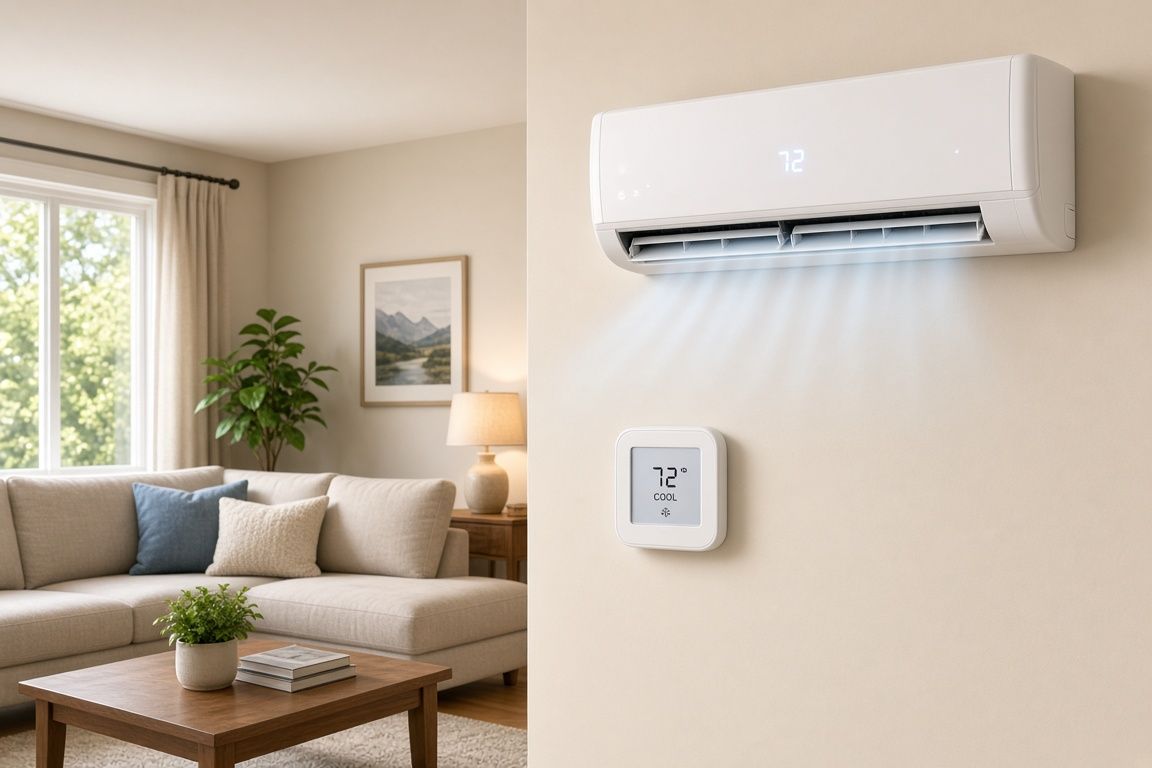
For years, air conditioning was seen as something you only really needed if you lived abroad. But with summers getting hotter, more people are asking the same question: is air conditioning actually worth it in the UK? The short answer? Yes - and it’s not just about keeping cool. UK Summers Are Getting Warmer We might not get sunshine all year round, but when summer arrives, our homes can become surprisingly uncomfortable. After the recent heatwaves across the UK, it’s safe to say we’ve all had a reminder that British summers aren’t always quite as mild as they used to be! With temperatures soaring, homes and offices cn quickly become uncomfortable, especially upstairs bedrooms, conservatories and rooms that get lots of direct sunlight. And when it’s still hot at bedtime, getting a good night’s sleep can feel almost impossible. But opening the windows isn’t always enough, especially when it’s still hot outside. Air conditioning gives you something a fan can’t control over the temperature. Instead of simply moving warm air around, an air conditioning system actively cools the room to your chosen temperature. It’s Not Just for Summer One of the biggest misconceptions about modern air conditioning is that it’s only useful when it’s hot. Many modern systems are heat pumps, meaning they can cool your home in summer and provide efficient heating during the colder months. That means your air conditioning system could be working for you throughout much more of the year, not just during those few weeks when we’re desperately searching for the nearest paddling pool! And did you know... it's actually one of the most efficient ways to heat your space. It's energy efficient, heats a room quickly, and allows you to control your temperature. But What About Running Costs? This is one of the biggest questions homeowners have, and understandably so. Modern air conditioning systems are designed to be much more energy efficient than older systems. Running costs will depend on the size and efficiency of the unit, the temperature you’re trying to achieve, how often you use it and the room itself. An efficient, correctly sized system can provide comfortable temperatures without needing to run at full power constantly. And this is where D&G come in - we can help you choose the right system for your home, rather than installing something that’s unnecessarily powerful or inefficient. Better Nights During Hot Weather If you’ve ever tried sleeping in a room that’s still 25°C at midnight, you’ll understand why this is a big one! Air conditioning can make bedrooms much more comfortable during hot weather, helping you maintain a consistent temperature rather than relying on open windows and fans. And because modern systems can be surprisingly quiet, they can be a great option for bedrooms. It Can Make Your Home More Comfortable Air conditioning isn’t simply about making a room cold. It’s about creating a comfortable environment when you need it. Whether you’re working from home, trying to get the kids to sleep, cooking in a warm kitchen or simply want somewhere cool to escape to during a heatwave, having control over your indoor temperature can make a huge difference. Choosing the Right System Matters Not every home needs the same air conditioning system. The size of the room, insulation, windows, sunlight, how the space is used and whether you want heating as well as cooling can all affect which system is suitable. That’s why it’s important to get professional advice rather than simply choosing the biggest or cheapest unit you can find. A correctly specified and professionally installed system will give you the best chance of getting the performance, efficiency and comfort you’re looking for. So, Is Air Conditioning worth it in the UK? We think so! If you struggle with hot bedrooms, uncomfortable living spaces or working from home during a heatwave, air conditioning can be a fantastic investment. And because modern systems can provide both cooling and heating, they’re useful throughout the year rather than just during summer. So if you're thinking about air conditioning for your home, get in touch with D&G Air Conditioning for a free, no-obligation quote and let’s find the right system for your space. Email us at enquiries@dgairconditioning.wales or get a quote direct here.
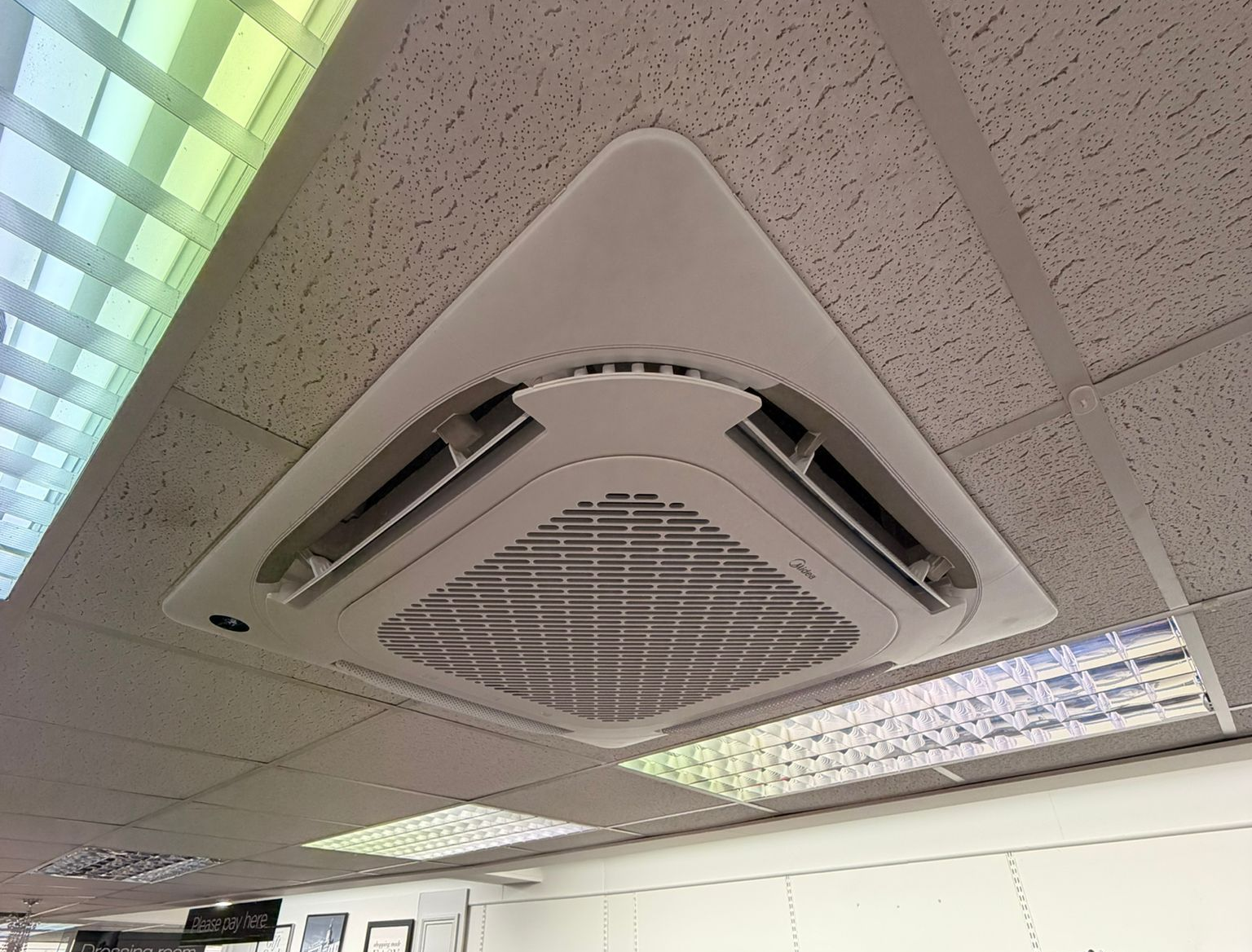
Choosing the right size air conditioning unit is one of the most important decisions when installing a new system. Too small, and it won’t effectively cool or heat your space. Too large, and you could end up wasting energy and money. In this guide, we’ll break down exactly how to choose the right air conditioning unit size for your home or business in the UK: 1. Why size matters... Air conditioning isn’t one-size-fits-all. The size of your unit determines how efficiently it can regulate temperature. Undersized units will struggle to reach the desired temperature and run constantly Oversized units cool too quickly without properly conditioning the air, leading to inefficiency and higher bills Getting the correct size ensures: Better energy efficiency Lower running costs Consistent comfort all year round 2. What is 'size' in air conditioning? Air conditioning units are measured in kilowatts (kW) in the UK. This refers to the cooling (and heating) capacity of the system, not its physical size. As a general guide: Small room (bedroom / office): 2.0 – 2.5 kW Medium room (living room): 3.5 – 5.0 kW Large open space: 5.0 kW+ (However, these are only rough estimates) 3. Key factors that affect the size you need: Several factors influence the correct unit size for your space: 1. Room Size The bigger the room, the more powerful the system needs to be. 2. Ceiling Height Higher ceilings mean more air to cool or heat. 3. Insulation Well-insulated properties retain temperature better, reducing the required capacity. 4. Windows & Sunlight South-facing rooms or large windows increase heat gain, meaning you may need a more powerful unit. 5. Number of Occupants More people = more heat generated. 6. Equipment & Appliances Offices, kitchens, and commercial spaces often require higher capacity due to heat-producing equipment. 4. A simple rule of thumb... A common starting point is: Around 100 watts per square metre So, for example: A 20m² room ≈ 2.0 kW unit A 35m² room ≈ 3.5 kW unit But this should always be adjusted based on the factors above. 5. Residential vs Commercial Requirements: Homes Most UK homes benefit from wall-mounted split systems, sized for individual rooms or open-plan areas. Businesses Commercial spaces often require: Larger systems Multiple indoor units More precise calculations This is especially important for offices, retail, gyms, and salons where comfort directly impacts staff and customers. 6. Why You Shouldn’t Guess... Choosing the wrong size system can lead to: Higher energy bills Uneven temperatures Increased wear and tear Shortened system lifespan That’s why a professional assessment is always recommended. Get the Right Size with Expert Advice At D&G Air Conditioning, we carry out detailed assessments to ensure you get the perfect system for your space, no guesswork involved. We consider everything from room layout to insulation and usage, so your system performs efficiently all year round. Get in touch today to book a free consultation and find the right air conditioning solution for your home or business. Call us on 07979 183339 email us at enquiries@dgairconditioning.wales or get a quote direct here.
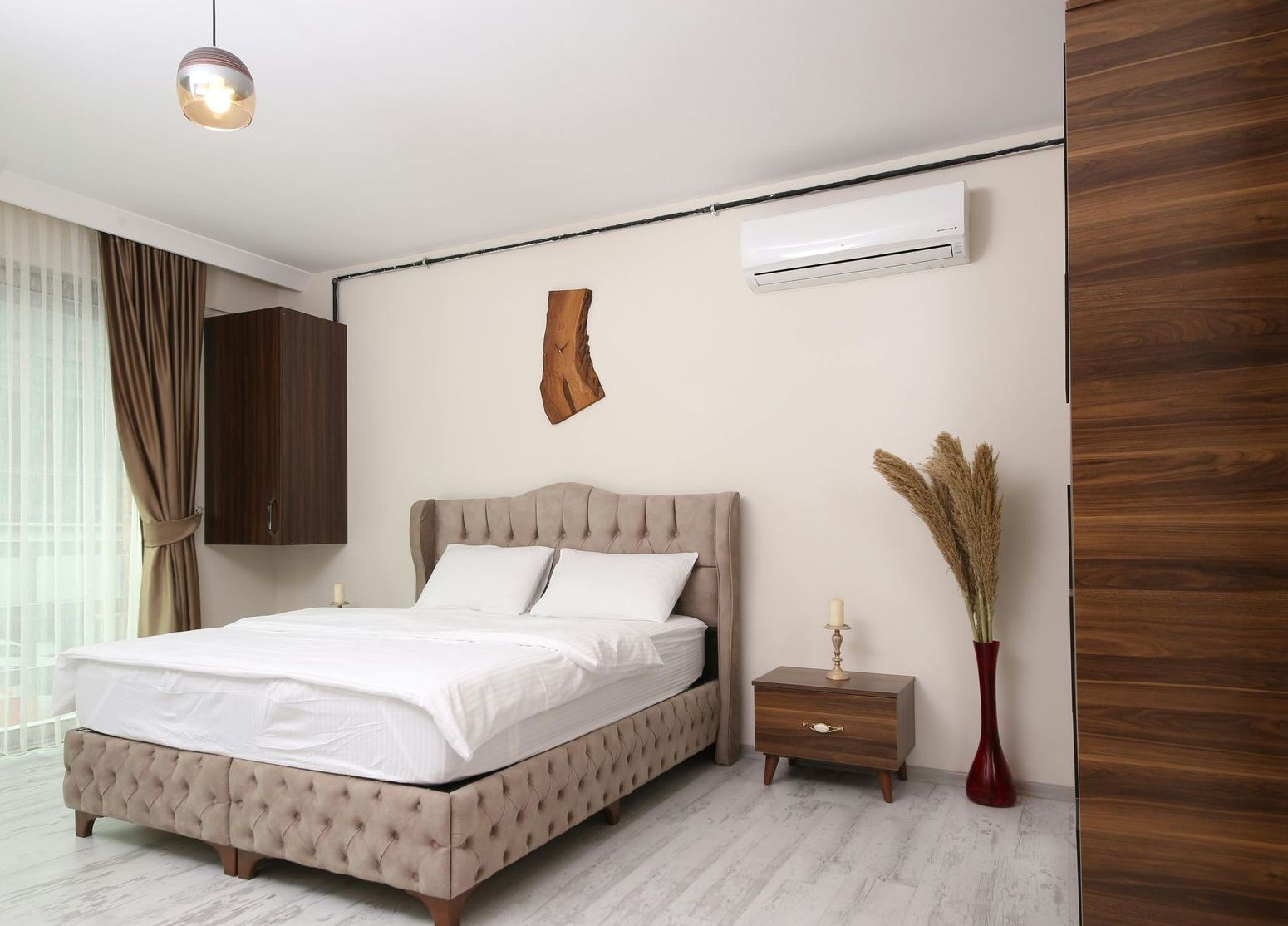
Your air conditioning plays a crucial role in keeping your home or workplace cool and comfortable during the hottest months, or warm during the winter. However, like any appliance, it won’t last forever. Eventually, repairs become less effective, and keeping an outdated system running can cost more in the long run. Recognizing the signs that it’s time for a replacement can help you avoid high energy bills and unexpected breakdowns. Here’s how to know when it’s time to upgrade to a new AC system... 1. Your AC is more than 10-15 years old Most air conditioners last between 10 to 15 years with proper maintenance. If your unit is approaching or has surpassed this age, it may not be as efficient as newer models. Older systems also tend to require more frequent repairs, making replacement a smarter financial choice. 2. Frequent and costly repairs Are you calling the engineer more often than before? If your AC needs frequent repairs, those costs can add up quickly. Instead of pouring money into an aging system, investing in a new unit can provide better efficiency and reliability. 3. Rising energy bills A sudden spike in your energy bill could mean your AC is working harder than it should to cool your home. As air conditioners age, they lose efficiency, leading to higher electricity consumption. A newer, energy-efficient model can help reduce your utility costs. 4. Uneven cooling or weak airflow If some rooms in your house are too hot while others are too cold, or if the airflow feels weak, your AC might not be functioning properly. This could be due to failing components or an overall decline in performance. 5. Strange odours or noises Loud noises like grinding, banging, or squealing are signs of a struggling AC unit. Similarly, musty or burning smells can indicate mold, electrical issues, or internal damage. These are clear signs that your system may need replacing. 6. Excessive humidity A properly functioning AC not only cools your home but also helps control humidity. If your home feels damp, sticky, or has excessive moisture buildup, your unit may not be operating efficiently. 7. Refrigerant leaks If your AC is leaking refrigerant, it may be a serious issue, especially in older models that use outdated refrigerants like R-22 (which is being phased out). Instead of repairing a refrigerant leak, replacing your AC with a modern system may be a better long-term solution. 8. Poor indoor air quality Your AC plays a crucial role in filtering dust, allergens, and pollutants from the air. If you’re noticing more dust accumulation, worsening allergy symptoms, or stale indoor air, your system may not be effectively filtering the air anymore. Replacing your air conditioner is a big investment, but waiting too long can lead to higher costs, reduced comfort, and unexpected breakdowns. If you’re experiencing any of these signs, it might be time to explore newer, energy-efficient options that can keep your home cool while lowering your energy bills. So if you're thinking about upgrading or getting AC in your home or work space, get in touch today for your FREE, no obligation quote. If you invest in one of our systems we always make sure we provide you with the best system to suit your needs. (We hope these points have helped, and for more handy tips you can read more in our blogs here. )
SUPPLIERS